



vfd input
The Crucial Role of Modern VFD Manufacturing in Industrial Automation In the landscape of industrial automation and process control, Variable Frequency Drives (VFDs) are indispensable components, providing unparalleled precision, efficiency, and flexibility in motor control. As industries worldwide intensify their focus on optimizing energy consumption, enhancing operational reliability, and integrating advanced control systems, the demand for sophisticated VFD technologies continues its upward trajectory. This comprehensive article delves into the intricate world of vfd manufacturers , exploring their critical role in driving innovation, the meticulous manufacturing processes involved, and the tangible benefits their products deliver across diverse industrial sectors. Modern VFDs transcend basic speed control; they are complex power electronics devices capable of managing motor torque, providing controlled acceleration and deceleration (soft starting/stopping), and offering extensive protection against various electrical and mechanical anomalies. Understanding the capabilities, quality, and support offered by a reputable variable frequency drive supplier is paramount for any industrial application demanding robust, energy-efficient, and highly precise motor operation. Industry Trends Shaping VFD Manufacturing and Design The landscape for vfd manufacturers is in a constant state of evolution, propelled by several transformative industry trends: Increased Focus on Energy Efficiency: Global regulatory pressures and the escalating costs of electricity are driving the integration of higher efficiency classes (e.g., IE4, IE5) for motors and, consequently, VFDs. This necessitates advanced power topologies, sophisticated control algorithms, and optimized thermal management within the drives. Industry 4.0 and IoT Integration: VFDs are increasingly designed with enhanced communication capabilities, supporting a wide array of industrial IoT protocols such as Ethernet/IP, PROFINET, Modbus TCP, and OPC UA. This enables seamless integration into smart factory ecosystems, facilitating real-time data acquisition, remote monitoring, predictive maintenance strategies, and advanced analytics. Miniaturization and Modularity: There is a growing demand for more compact VFDs that can be accommodated in smaller control cabinets, maximizing floor space. Modular designs are also gaining traction, allowing for easier scalability, simplified maintenance, and reduced total cost of ownership. Enhanced Connectivity and Cybersecurity: As VFDs become critical nodes in networked industrial systems, robust cybersecurity features are becoming indispensable to protect industrial control systems from potential cyber threats and ensure operational integrity. Development of Application-Specific Drives: Manufacturers are developing highly specialized VFDs tailored for unique applications, such as high-temperature process control, corrosive marine environments, or highly dynamic motion control in robotics and automation. Emphasis on Sustainable Materials and Manufacturing: Aligning with broader corporate social responsibility initiatives, there is a concerted effort to utilize eco-friendly materials and adopt sustainable manufacturing processes, minimizing environmental impact throughout the product lifecycle. These trends underscore the continuous need for significant research and development investments by leading variable frequency drives manufacturers to remain competitive and meet the evolving, complex demands of industrial clients globally. The Meticulous Manufacturing Process of Variable Frequency Drives The production of high-performance VFDs by leading vfd manufacturers is a highly sophisticated and multi-stage process that demands extreme precision, rigorous quality control, and strict adherence to international engineering standards. This ensures that the devices meet stringent performance, reliability, and safety criteria essential for industrial applications. Process Flow Overview: 1. Design & Engineering Detailed CAD modeling, circuit simulation, PCB layout, and robust firmware development. Emphasis on power topology (e.g., IGBTs), advanced control algorithms, and critical thermal management strategies. 2. Component Sourcing Procurement of high-grade semiconductors (IGBTs, MOSFETs), long-life capacitors, high-efficiency inductors, powerful microcontrollers, and precision passive components. All components adhere to international environmental directives like RoHS and REACH. 3. PCB Assembly Automated Surface Mount Technology (SMT) lines ensure precise placement of electronic components. This is followed by reflow soldering and Automated Optical Inspection (AOI) to detect microscopic defects. 4. Power Module Integration Assembly of high-power components, efficient heatsinks, and advanced cooling systems. Critical focus is placed on thermal management and ensuring robust, low-impedance electrical connections. 5. Enclosure Fabrication Precision manufacturing of VFD housings, often through advanced metal stamping (for steel/aluminum) or injection molding (for robust polymers). Enclosures are designed to meet specific IP ratings (e.g., IP20, IP54, IP66) for environmental protection. 6. Final Assembly Systematic integration of all sub-assemblies: control board, power board, cooling fans, I/O terminals, and user interface panels. Meticulous internal wiring and mechanical fastening. 7. Rigorous Testing & QA Comprehensive functional testing, extended burn-in tests under load, dielectric strength tests, full EMC/EMI compliance validation, and vibration testing. Adherence to international standards such as ISO 9001, CE, UL, and ANSI is strictly maintained. 8. Software & Firmware Loading Loading of application-specific firmware and configuration parameters, ensuring precise control logic and optimal performance for intended operations. 9. Packaging & Shipping Secure and protective packaging to prevent damage during transit, complete with all necessary documentation, manuals, and accessories. Typical materials encompass robust metals for enclosures (e.g., aluminum alloys, galvanized steel) to ensure effective heat dissipation and structural integrity, high-quality engineering polymers for insulation and internal components, and advanced semiconductor materials for the core power electronics. Manufacturing employs sophisticated automation for component placement (SMT), precise CNC machining for custom heatsinks, and advanced molding techniques for specialized housings. The expected service life of a well-maintained VFD from a reputable vfd manufacturers can reliably exceed 10-15 years, provided it operates within specified environmental and electrical parameters. Target industries include petrochemical, metallurgy, mining, water supply & drainage, HVAC, food & beverage, and material handling, where key advantages such as significant energy savings (often 30-50% in variable torque applications), precise process control, and enhanced equipment longevity are mission-critical. Technical Parameters and Specifications of Modern VFDs A thorough understanding of key technical parameters is indispensable when specifying or selecting a VFD. The performance, compatibility, and suitability of a drive are directly correlated with these specifications, which can vary significantly across variable frequency drives manufacturers . Typical VFD Specification Table (Illustrative for a Medium Power Industrial Drive): Parameter Description Typical Value/Range Input Voltage (AC) Nominal AC voltage supplied to the drive's input terminals. 200-240V (1/3 phase), 380-480V (3 phase), 500-690V (3 phase) Output Voltage (AC) Adjustable AC voltage supplied from the drive to the motor. 0 to Rated Input Voltage (V/Hz controlled) Output Frequency Adjustable frequency provided to the motor, controlling its speed. 0-400 Hz (standard), up to 1000 Hz (high-speed applications) Power Range Motor power ratings that the VFD is designed to control. 0.18 kW (0.25 HP) to 1.5 MW+ (2000 HP+) Overload Capacity The ability of the VFD to handle temporary current peaks above its nominal rating. 150% for 60 seconds (constant torque), 110% for 60 seconds (variable torque) Control Modes Different methods of controlling the motor's speed and torque. V/F control, Sensorless Vector Control (SVC), Closed-Loop Vector Control (FOC), Direct Torque Control (DTC) Efficiency Rating The energy conversion efficiency of the drive itself. Typically >95%, often reaching 97-98% at full load. Communication Protocols Integrated options for connecting to industrial networks and control systems. Modbus RTU, Ethernet/IP, PROFINET, DeviceNet, CANopen, EtherCAT, Profibus DP Enclosure Rating (IP) International Protection (IP) rating for ingress protection against solids and liquids. IP20 (open), IP54 (dust & splash resistant), IP66 (dust & water tight), IP69K (washdown) Operating Temperature Ambient temperature range within which the VFD operates reliably without derating. -10°C to +50°C (derating typically applies above 40°C) Beyond these core specifications, advanced VFDs often incorporate features such as built-in PID controllers, multi-pump control functionalities, integrated safety functions like Safe Torque Off (STO), braking choppers, and extensive diagnostic capabilities. The precise selection of parameters is critically dependent on the specific application's requirements for speed accuracy, torque response, environmental resilience, and overall control complexity. Key Advantages and Diverse Application Scenarios The strategic deployment of VFDs offers a multitude of compelling advantages that directly translate into enhanced operational efficiency, reduced operating costs, and improved reliability for industrial enterprises. A high-quality variable frequency drive supplier is instrumental in ensuring access to these benefits. Core Advantages: Substantial Energy Savings: Particularly prominent in variable torque applications (e.g., centrifugal pumps, fans, compressors), VFDs can reduce energy consumption by the cube of the speed reduction, leading to often dramatic reductions in utility expenses. Precise Process Control: The ability to accurately control motor speed and torque allows for much tighter control over critical industrial processes, resulting in improved product quality, consistency, and reduced waste. Reduced Mechanical Stress and Wear: Soft starting and stopping capabilities eliminate severe mechanical shock to machinery components, significantly extending the operational lifespan of motors, gearboxes, belts, and connected equipment. Improved Power Factor: Many modern VFDs incorporate advanced power factor correction capabilities, which can mitigate reactive power penalties from utility providers and optimize overall power quality. Advanced Diagnostics and Protection: Built-in diagnostic tools, fault detection, and protective features safeguard motors and interconnected processes from overcurrents, overvoltages, phase loss, and thermal overloads, thereby minimizing costly downtime. Noise Reduction: Operating equipment at its optimal and often lower speeds can lead to a significant reduction in ambient noise levels within industrial environments, improving worker comfort and compliance with noise regulations. Typical Application Scenarios: Water Supply & Drainage Systems: VFDs are crucial for controlling pump speeds to maintain constant water pressure, optimize flow rates, and prevent destructive water hammer effects, leading to massive energy and maintenance savings in municipal and industrial water infrastructure. HVAC Systems: In commercial and industrial buildings, VFDs regulate the speed of fans and pumps in air handling units, chillers, and cooling towers, precisely matching heating and cooling demands and achieving substantial energy savings. Petrochemical Industry: VFDs drive critical pumps, compressors, and agitators in highly hazardous and often corrosive environments. They provide precise flow and pressure control while requiring robust, explosion-proof (ATEX/IECEx compliant) and corrosion-resistant designs. Metallurgy and Heavy Industry: Controlling roller tables, conveyors, furnaces, and various heavy machinery in steel mills and foundries demands VFDs with high torque capabilities, precise speed regulation, and exceptionally durable construction to withstand harsh operating conditions. Material Handling and Logistics: For conveyors, hoists, cranes, and automated storage and retrieval systems (AS/RS), VFDs provide smooth acceleration and deceleration, enhancing safety, reducing mechanical wear, and improving throughput efficiency. Application Case Study: Advanced Pumping in a Chemical Processing Plant A major chemical processing plant faced significant challenges with inconsistent product quality and high energy consumption due to traditional on/off pump control for critical reagent mixing. The existing system also suffered from frequent valve and pipe wear. Partnering with a leading vfd manufacturers , the plant implemented a solution involving high-performance VFDs for 8 key process pumps (ranging from 110 kW to 350 kW). These VFDs were integrated with the plant's DCS (Distributed Control System) using PROFINET, allowing for real-time, closed-loop control of flow rates and pressures. The result was a documented 40% reduction in energy usage, a 25% improvement in process consistency (leading to reduced batch rejection rates), and a notable extension in pump and valve service life by over 30%. The project delivered a comprehensive ROI within 2.5 years, showcasing the profound impact of precise VFD-driven control in complex chemical processes. Choosing the Right Vendor: VFD Manufacturers Comparison Criteria The selection of the optimal variable frequency drives manufacturers is a strategic decision that profoundly impacts long-term operational efficiency, system reliability, and overall project success. Evaluating potential vendors against a comprehensive set of criteria is essential for making an informed choice. Evaluation Criterion Description Why It Matters for Industrial Buyers Product Portfolio & Range Does the manufacturer offer a comprehensive array of VFDs across low, medium, and high voltage categories, including specialized application-specific variants? Ensures compatibility with diverse motor sizes and application needs, facilitating standardization and future scalability across the enterprise. Technical Innovation & R&D Investment Evident commitment to continuous research and development, particularly in areas like IoT integration, AI-driven diagnostics, advanced control algorithms, and power electronics efficiency. Provides access to future-proof solutions, higher efficiencies, enhanced features, and compliance with evolving industry standards and technological advancements. Quality Assurance & Certifications Adherence to rigorous international quality management systems (e.g., ISO 9001), product safety certifications (CE, UL, cUL, CSA), and environmental compliance (RoHS, REACH). Robust testing procedures. Guarantees reliability, operational safety, consistent performance, and minimizes the risk of premature failures and associated operational disruptions. Global After-Sales Support & Service Network Availability of local technical support, field service engineers, comprehensive training programs, readily accessible spare parts, and responsive warranty services across relevant geographic regions. Crucial for minimizing unplanned downtime, facilitating rapid issue resolution, maximizing equipment uptime, and ensuring long-term operational continuity. Customization Capabilities The ability to provide bespoke solutions tailored for unique application requirements, such as specialized enclosures, custom software functionalities, or integration with proprietary systems. Addresses highly specific niche needs, ensures seamless integration into complex existing systems, and optimizes performance for highly specialized industrial processes. Total Cost of Ownership (TCO) Analysis Consideration of factors beyond the initial purchase price, encompassing energy savings, maintenance costs, expected service life, spare parts availability, and potential productivity gains. Provides a holistic financial picture, highlighting the true long-term value, return on investment (ROI), and sustained profitability for the organization. Leading vfd manufacturers typically excel across multiple of these criteria, offering integrated solutions that extend beyond mere hardware to encompass advanced software, comprehensive system integration support, and robust, long-term support packages. This holistic approach builds enduring partnerships and ensures maximized value for industrial clients. Tailored Excellence: Customized Solutions from Leading VFD Suppliers Recognizing that standardized, off-the-shelf solutions may not always fully address the complexities of specific industrial challenges, many high-caliber variable frequency drive supplier offer extensive customization capabilities. These bespoke solutions are engineered to integrate seamlessly into existing plant infrastructure and to meet highly specific, nuanced operational demands. Application-Specific Firmware & Software: Development of tailored control algorithms and parameters for unique processes such as multi-axis synchronization in robotics, specialized material handling sequences, or ultra-precise temperature and pressure regulation in sensitive chemical reactors. Specialized Environmental Enclosures: Custom IP ratings (e.g., IP69K for hygiene-critical washdown environments), explosion-proof designs for operation in hazardous locations (ATEX/IECEx compliant for Class I, Division 1/Zone 0/1/2), or enhanced corrosion-resistant finishes for marine or highly aggressive chemical process environments. Integrated Braking & Energy Regeneration Solutions: Custom-designed dynamic braking resistor banks or sophisticated regenerative braking units engineered for applications demanding rapid deceleration, precise stopping, or handling of high inertia loads, with the added benefit of feeding energy back to the grid. Custom I/O & Communication Modules: Pre-configured or custom-engineered input/output modules and communication interfaces for integration with proprietary industrial control systems, legacy fieldbus protocols, or advanced real-time Ethernet-based systems not typically supported by standard models. Advanced Harmonic Mitigation: Integration of custom-engineered passive harmonic filters, active front-end (AFE) drives, or 12/18-pulse rectifier solutions specifically designed to minimize harmonic distortion to meet strict grid compliance standards (e.g., IEEE 519) and protect sensitive upstream equipment. Such high-level customization necessitates profound engineering expertise, advanced manufacturing capabilities, and close, collaborative engagement between the client and the manufacturer. This ensures that the final product not only delivers optimal performance but also guarantees superior safety, reliability, and long-term economic viability for the specific application. Building Trust: FAQ, Lead Time, Warranty, and Support from VFD Manufacturers Frequently Asked Questions (FAQ) Q: What is the typical operational lifespan of a modern VFD? A: With proper installation, consistent environmental conditions (e.g., temperature, humidity), and adherence to recommended maintenance schedules, a VFD from a reputable vfd manufacturers can reliably operate for 10-15 years. Key consumable components, primarily electrolytic capacitors, may require replacement sooner depending on operational stress. Q: Are VFDs suitable for use in hazardous (explosion-risk) industrial locations? A: Yes, specialized VFDs are available for such environments. These drives come with appropriate international certifications (e.g., ATEX, IECEx, UL HazLoc) and are housed in robust, explosion-proof, or intrinsically safe enclosures designed to prevent ignition sources in areas with flammable gases, vapors, or dust. Q: How do VFDs affect power quality and motor harmonics, and how is this mitigated? A: Standard VFDs, particularly those with 6-pulse rectifiers, can introduce harmonic distortions into the electrical grid. Leading variable frequency drives manufacturers offer solutions such as drives with built-in harmonic mitigation (e.g., active front-end drives, 12-pulse/18-pulse rectifiers) or provide external harmonic filters to ensure compliance with power quality standards like IEEE 519. Q: What is the primary mechanism by which VFDs achieve significant energy savings? A: For variable torque loads (e.g., centrifugal pumps, fans), the power consumed by the motor is proportional to the cube of its speed. By reducing the motor speed by even a small percentage (e.g., 20%), a VFD can achieve substantial energy savings (e.g., nearly 50% in the given example), drastically cutting electricity bills compared to fixed-speed operation. Lead Time and Fulfillment Logistics Lead times for VFDs are highly variable, contingent upon the manufacturer, specific model, power rating, and the extent of customization required. Standard, commonly stocked low-to-medium power models typically have lead times ranging from 2 to 6 weeks. Conversely, larger, high-power drives or highly customized solutions tailored for unique applications may necessitate lead times of 8 to 20 weeks. Established variable frequency drive supplier often leverage sophisticated global supply chain management systems and regional distribution networks to minimize potential delays and ensure timely delivery, which is critical for maintaining project schedules and minimizing operational interruptions. Comprehensive Warranty Commitments The majority of VFDs are backed by a standard manufacturer's warranty, typically spanning from 12 to 24 months from the date of installation or shipment. This warranty covers defects in materials and workmanship under normal operating conditions. Reputable vfd manufacturers frequently offer options for extended warranties, comprehensive service contracts, and preventative maintenance agreements. These provisions offer additional layers of financial protection and operational assurance for critical industrial assets, safeguarding investments and ensuring long-term reliability. Robust Customer Support and After-Sales Services Exceptional customer support and comprehensive after-sales services are defining attributes of leading vfd manufacturers . These essential services include: Dedicated Technical Hotlines: 24/7 access to highly experienced application engineers for immediate troubleshooting, diagnostic assistance, and expert application advice. Global On-site Service: Availability of certified field service engineers for professional installation, meticulous commissioning, preventative maintenance, and rapid emergency repairs at the client's facility. Specialized Training Programs: Comprehensive courses and workshops for client engineers and technicians on VFD operation, advanced programming, routine maintenance, and fault diagnosis to foster self-sufficiency. Guaranteed Spare Parts Availability: Maintenance of a readily accessible and strategically located inventory of critical spare parts, ensuring minimal lead times for replacements and reducing potential downtime. Software & Firmware Management: Provision of regular firmware updates, advanced diagnostic software tools, and software configuration support to ensure optimal performance and compatibility. Conclusion: The Indispensable Role of VFD Manufacturers The intricate landscape of industrial automation is undeniably and profoundly shaped by the continuous innovation and technological advancements spearheaded by leading vfd manufacturers . Their unwavering commitment to cutting-edge research, precision engineering, and comprehensive customer support ensures that industries across the globe can consistently achieve unparalleled levels of energy efficiency, highly precise process control, and robust operational reliability. As industrial demands intensify and technologies continue to evolve at an accelerated pace, the strategic partnership with a knowledgeable, experienced, and trustworthy variable frequency drive supplier becomes not just beneficial, but absolutely indispensable for achieving sustained operational excellence and maintaining a competitive edge in a dynamic global market. References IEEE Std 519-2014, IEEE Recommended Practice and Requirements for Harmonic Control in Electric Power Systems. Institute of Electrical and Electronics Engineers. European Commission. (2019). Ecodesign requirements for electric motors and variable speed drives (EU) 2019/1781. Official Journal of the European Union. National Electrical Manufacturers Association (NEMA) MG 1-2016, Motors and Generators. U.S. Department of Energy, Advanced Manufacturing Office (AMO). (2015). Improving Motor and Drive System Performance: A Sourcebook for Industry. International Electrotechnical Commission (IEC) 61800 Series, Adjustable speed electrical power drive systems. IEC 60034-30-1:2014, Rotational electrical machines - Part 30-1: Efficiency classes of line-operated AC motors (IE code).
We focus on providing one - stop international trade solutions, including product procurement, international logistics, market consulting, and supply chain management services.

siemens 6sl3040 1la01 0aa0
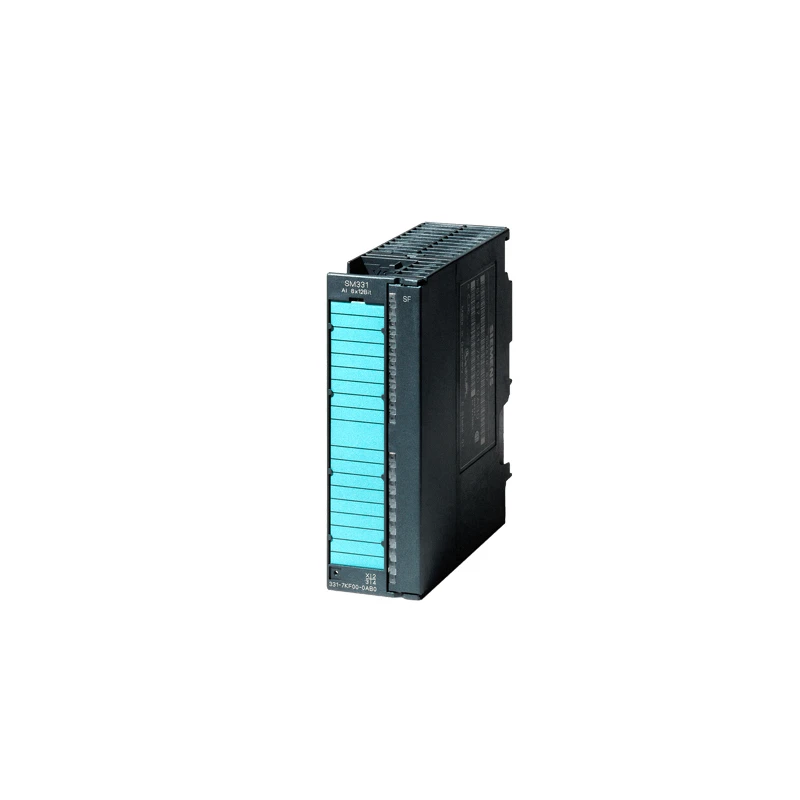
synchronous motor vfd
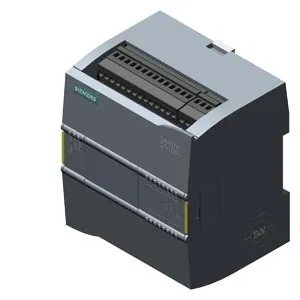
small computer processor
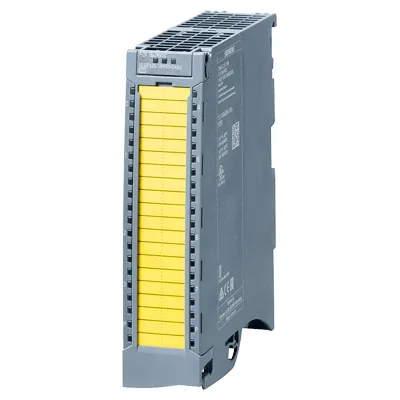
pm240 2 manual
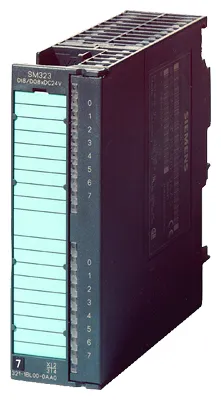
6es7312 5bf04 0ab0
sinamics cu320 manual

mini portable cpu
We focus on providing one - stop international trade solutions including product procurement, international... logistics market consulting and supply chain management services
-
2026-04-06 02:21
6es73136cg040ab0
The 6ES7 318 3EL01 0AB0 is a high-performance Siemens PLC module designed for precision control in industrial settings. This module offers advanced features and capabilities, making it an ideal choice for applications requiring precise control and monitoring. With its robust design and reliable performance, the 6ES7 318 3EL01 0AB0 ensures seamless integration into your existing Siemens PLC system,
-
2026-04-06 02:05
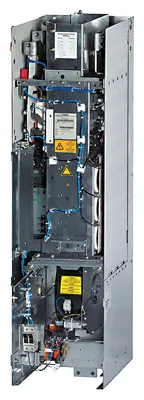
6av6676_6mb40_0ad0
The 6ES7 318 3EL01 0AB0 is a high-performance Siemens PLC module designed for precision control in industrial settings. This module offers advanced features and capabilities, making it an ideal choice for applications requiring precise control and monitoring. With its robust design and reliable performance, the 6ES7 318 3EL01 0AB0 ensures seamless integration into your existing Siemens PLC system,
-
2026-04-06 01:36
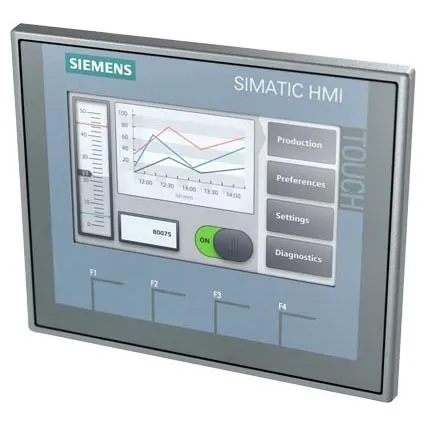
20_hp_vfd_single_phase_input
Variable Frequency Drives ( VFDs ) have become indispensable in today’s industrial automation—enabling energy savings, process control, and extended equipment lifespan. This expertly crafted resource delves deeply into the world of vfd for sale and vfd drives for sale , analyzing industry trends, technical parameters, leading vendors, vfd for sale customization, and best-in-class application cases
Call Us or Fill the Form
- +8613821343088 +8613603111169
- xudong.an@tianjingyongkai.com
-
Room 1 - 543, Building E, Zhonghui Xiyuan Plaza, Central Business District, Binhai, Tianjin